
How Predictable Rebuild Execution Protects Insurance and Institutional Stakeholders
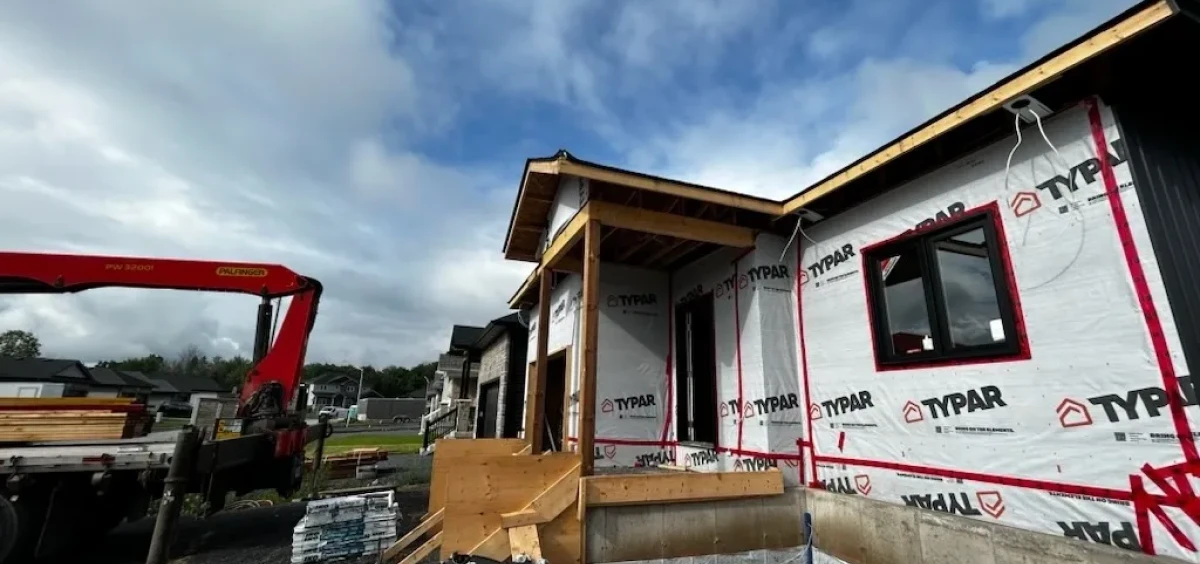
Predictability is one of the most undervalued outcomes in loss rebuild claims. While speed and responsiveness often receive attention, predictability is what ultimately protects insurers, lenders, and other institutional stakeholders from financial and operational exposure. In rebuild work following fire, water, or storm losses, predictability does not happen by accident.
It is created through disciplined execution.
Why Predictability Matters in Loss Rebuilds
Loss rebuild claims exist in high-pressure environments. Costs are scrutinized, timelines are sensitive, and decisions are often reviewed long after they are made. When outcomes are unpredictable, risk increases for everyone involved.
Predictability matters because it:
- Reduces financial exposure
- Limits scope disputes
- Protects professional credibility
- Supports long-term file defensibility
Without predictability, even completed rebuilds can remain problematic.
Unpredictability Is a Risk Multiplier
Unpredictable rebuilds introduce risk at multiple levels simultaneously. Costs fluctuate, timelines shift, and documentation becomes inconsistent. These variables compound rather than cancel each other out.
Common sources of unpredictability include:
- Incomplete assessments
- Loosely defined scopes
- Overlapping planning and execution
- Inconsistent documentation practices
Each of these increases the likelihood of dispute.
Predictable Execution Starts Before Work Begins
Execution is often blamed when projects drift, but the root cause usually exists earlier. Predictable outcomes are determined before trades are mobilized.
Foundational elements include:
- A documented pre-loss baseline
- Clear damage boundaries
- An itemized and approved scope
- Defined sequencing and expectations
When these elements are in place, execution becomes stable.
The Relationship Between Scope and Predictability
Scope clarity is the single strongest driver of predictability. When scope is vague, outcomes vary. When scope is defined, outcomes align.
Predictable scopes are:
- Evidence-based
- Itemized
- Reviewed and aligned
- Locked prior to execution
This reduces reinterpretation during the rebuild.
Cost Control Depends on Execution Discipline
Cost overruns are rarely caused by a single decision. They emerge from accumulated deviations. Predictable execution minimizes these deviations.
Execution discipline supports cost control by:
- Preventing unauthorized work
- Reducing rework
- Maintaining sequencing integrity
- Supporting timely approvals
This keeps costs aligned with expectations rather than reacting to overruns.
Documentation as a Predictability Tool
Documentation is often associated with compliance, but its real value lies in predictability. When documentation is consistent, progress can be tracked and verified objectively.
Documentation supports predictability through:
- Real-time condition reporting
- Visual confirmation of progress
- Traceable decision-making
- Clear completion verification
This reduces subjective interpretation.
Why Institutional Stakeholders Need Predictable Rebuilds
Banks, credit unions, and insurers evaluate rebuilds differently than private owners. Their focus is not preference, but exposure.
Institutional stakeholders prioritize:
- Asset recovery integrity
- Financial reconciliation
- Regulatory defensibility
- File transparency
Predictable rebuilds align directly with these priorities.
Multi-Party Claims Increase the Need for Predictability
As the number of stakeholders increases, tolerance for ambiguity decreases. Multi-unit properties and lender-involved claims magnify this reality.
In these scenarios, predictability:
- Prevents conflicting narratives
- Supports coordinated decision-making
- Reduces escalation
- Maintains stakeholder alignment
Without it, communication fractures.
Execution Without Surprises Builds Confidence
Surprises erode confidence, even when outcomes are ultimately acceptable. Predictable rebuilds minimize unexpected developments by identifying risks early.
Predictable execution includes:
- Defined milestones
- Regular documentation updates
- Early identification of constraints
- Controlled response to changes
This keeps stakeholders informed and aligned.
Contractor Takeovers and Predictability
Takeover files are often unpredictable by default. They typically involve incomplete documentation, unclear scopes, and unresolved issues.
Predictable execution in takeovers requires:
- Re-establishing baseline conditions
- Clarifying completed work
- Resetting scope alignment
- Reintroducing structured processes
This stabilizes the claim rather than amplifying prior issues.
The Role of Timelines in Predictable Outcomes
Timelines are not guarantees. They are planning tools that support expectation management. Predictable rebuilds use timelines as alignment mechanisms.
Effective timelines:
- Reflect approved scope
- Account for sequencing
- Include review points
- Support communication
When timelines are realistic, confidence increases.
Predictability Reduces Post-Completion Risk
The impact of a rebuild does not end at close-out. Files may be reviewed long after completion, especially in institutional contexts.
Predictable execution ensures:
- Decisions remain defensible
- Documentation supports outcomes
- Costs align with scope
- Accountability is clear
This reduces the risk of reopened claims.
Why Predictability Lowers Adjuster Workload
Adjusters managing unpredictable rebuilds spend significant time resolving issues rather than progressing claims. Predictable execution reverses this dynamic.
Benefits include:
- Fewer scope challenges
- Reduced supplemental reviews
- Clear approval pathways
- Faster file reconciliation
Predictability is operational efficiency.
Predictable Does Not Mean Inflexible
Predictable execution does not eliminate change. It manages change within defined boundaries. When changes are documented and approved, predictability is preserved.
This approach:
- Allows adaptation
- Maintains control
- Preserves documentation integrity
- Protects stakeholder confidence
Structure enables flexibility without chaos.
The Long-Term Value of Predictable Rebuilds
Predictable rebuilds create lasting value beyond individual claims. They establish trust between insurers, lenders, and rebuild partners.
Long-term benefits include:
- Stronger professional relationships
- Reduced oversight burden
- Improved claim outcomes
- Institutional confidence
This consistency is difficult to replace.
Closing Perspective
In loss rebuild claims, predictability is not a convenience. It is a risk management strategy. Disciplined execution, supported by clear scope and rigorous documentation, protects stakeholders from uncertainty and exposure. Predictable rebuilds deliver not just restored properties, but stable outcomes.
About Abacus
Abacus is a loss rebuild specialist supporting insurance and institutional stakeholders through disciplined fire, water, and storm rebuild execution. We focus on predictable outcomes, scope control, and documentation integrity for complex claims. To discuss rebuild involvement or controlled execution support, contact us through the contact page of the website.